
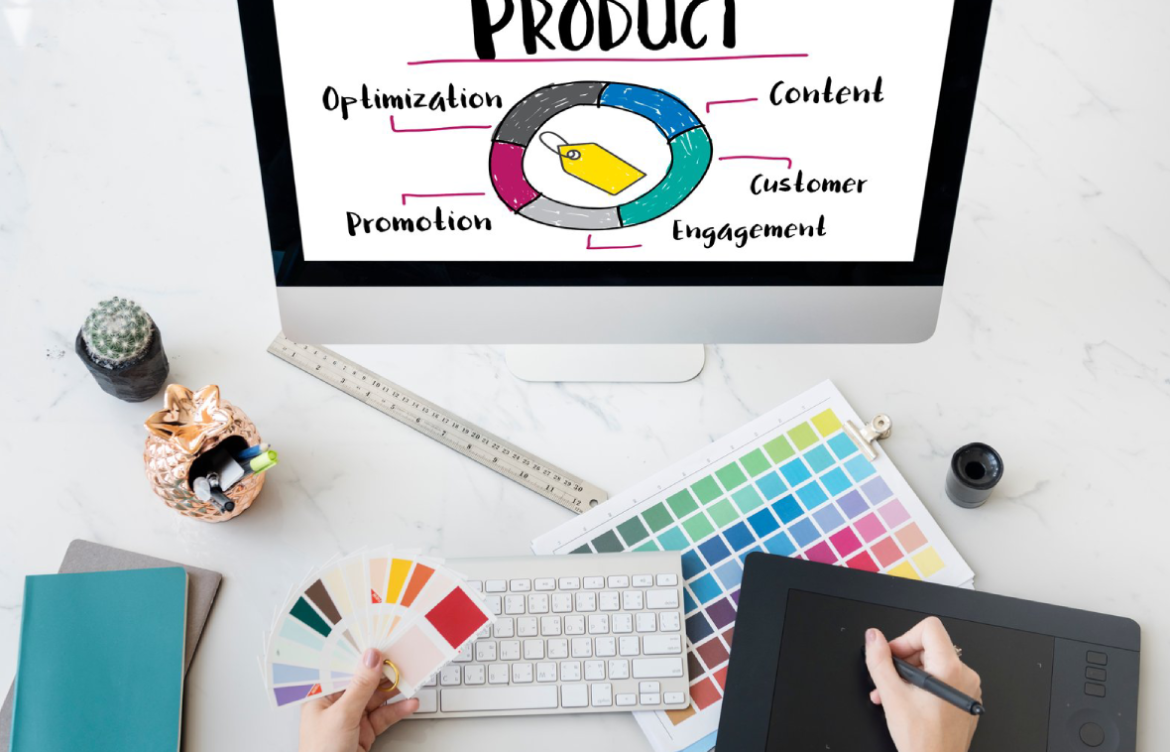
Product Manager Career Path
Product management is one of the most dynamic and strategic roles in the tech industry. A product manager (PM) acts as the bridge between engineering, design, marketing, and business, guiding products from concept to launch. For women, product management offers an exciting path to influence technology, lead teams, and make decisions that impact millions of users. This guide explores the product manager career path, essential skills, education options, and strategies to excel in the role.
Why Women Should Consider Product Management
Product management is ideal for women who enjoy problem-solving, leadership, and collaboration. PMs combine technical understanding with business acumen and user empathy. Some reasons this career is attractive include:
- Leadership opportunities: PMs guide teams and influence key product decisions.
- High demand: Tech companies continuously seek skilled PMs.
- Diverse impact: PMs contribute to everything from software applications to AI solutions.
- Flexible career paths: PM experience can lead to roles in strategy, operations, or executive management.
Women bring a unique perspective to product management, enhancing user-centric design and fostering inclusive product strategies.
Core Responsibilities of a Product Manager
A product manager wears multiple hats. Key responsibilities include:
- Defining Product Vision: Establishing goals and roadmaps based on market research and business strategy.
- Prioritizing Features: Deciding what to build first, balancing user needs, business value, and technical constraints.
- Collaborating Across Teams: Working with developers, designers, marketers, and stakeholders to bring the product to life.
- Analyzing Metrics: Tracking performance, user engagement, and feedback to guide improvements.
- Problem-Solving: Addressing challenges during development, launches, or post-release issues.
Essential Skills for Product Managers
Successful PMs combine technical knowledge, business insight, and soft skills.
Technical Skills
- Understanding software development processes (Agile, Scrum, Kanban)
- Familiarity with analytics tools (Google Analytics, Mixpanel)
- Knowledge of UX/UI principles and design thinking
- Basic coding understanding can be an advantage
Business Skills
- Strategic planning and market research
- Budgeting and resource management
- Roadmap creation and prioritization
Soft Skills
- Communication and leadership
- Collaboration and teamwork
- Negotiation and conflict resolution
- Problem-solving and decision-making
Educational Pathways
There’s no single route to becoming a product manager. Options include:
- Formal Education: Degrees in business, computer science, or engineering can provide a foundation.
- Certifications: Programs like Certified Scrum Product Owner (CSPO) or Pragmatic Institute training enhance credibility.
- Bootcamps and Workshops: Short, focused programs teach product management frameworks and practical skills.
- Hands-On Experience: Internships, side projects, or contributing to startups build real-world knowledge.
Tip for Women: Engage in mentorship programs or women-focused PM communities for support and guidance.
Building a Strong PM Portfolio
A PM portfolio demonstrates your ability to manage products and solve problems. Include:
- Case studies of projects you managed or contributed to
- Metrics showing impact or improvement
- Mock product proposals or redesigns
- Contributions to hackathons or startup projects
A strong portfolio showcases analytical thinking, leadership, and product vision.
Career Progression in Product Management
The product management career ladder often includes:
- Associate Product Manager (APM): Entry-level role focusing on small projects and learning processes.
- Product Manager: Responsible for a product line or specific features.
- Senior Product Manager: Oversees larger products, mentors junior PMs, and drives strategy.
- Director of Product / VP of Product: Leads product teams, defines strategy, and aligns product vision with business goals.
Women in PM roles can leverage leadership skills and cross-functional collaboration to advance quickly.
Overcoming Challenges as a Woman in Product Management
Women in tech leadership roles may face challenges like gender bias or underrepresentation. Strategies to overcome these include:
- Seeking mentors: Guidance from experienced female PMs is invaluable.
- Building a network: Connect with women in PM communities, tech forums, and conferences.
- Continuous learning: Stay updated on market trends, tools, and methodologies.
- Confidence in decision-making: Your insights are valuable—advocate for yourself and your ideas.
Remote and Global PM Opportunities
Product management roles increasingly support remote and hybrid setups. This opens global opportunities, allowing women to work for leading tech companies without relocating. Remote PM positions are common in:
- SaaS platforms
- Fintech startups
- E-commerce companies
- Mobile app development
Flexibility combined with high-impact work makes PM an appealing career for women balancing professional and personal goals.
Conclusion
A career in product management empowers women to combine technical understanding, business insight, and creativity to deliver meaningful products. With strong communication, analytical skills, and strategic thinking, women can thrive in PM roles and lead teams to success.
At CodeByHer, we encourage women to explore product management as a career path, providing mentorship, learning resources, and community support. Whether you aspire to launch your first product or lead a global team, the opportunities in product management are vast—and now is the perfect time to start.