
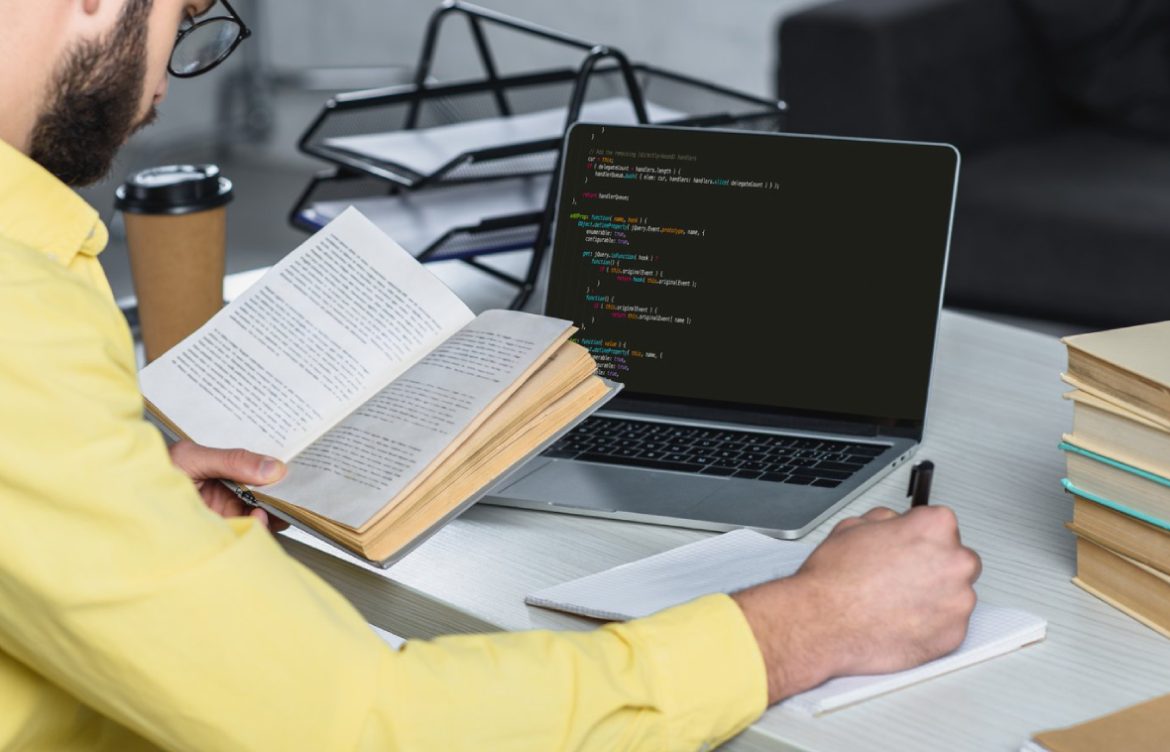
Best Coding Books
Books remain an invaluable resource for learning programming, mastering concepts, and building a strong foundation in software development. Whether you are a beginner, an intermediate coder, or an experienced developer, reading the right coding books can accelerate your learning, provide deeper understanding, and offer practical guidance for real-world projects.
Why Coding Books Are Still Relevant
- In-depth explanations: Books often provide more comprehensive and structured explanations than short online tutorials.
- Learn foundational concepts: Many books focus on computer science principles, algorithms, and best practices.
- Improve problem-solving skills: Books often include exercises and challenges that teach logical thinking.
- Offline learning: Read anytime without relying on an internet connection.
- Long-term reference: Books serve as guides you can revisit when learning new concepts or technologies.
Must-Read Coding Books for Beginners
1. “Automate the Boring Stuff with Python” by Al Sweigart
- Overview: Practical Python book for beginners.
- What You’ll Learn: Automating everyday tasks, working with files, spreadsheets, web scraping, and basic programming concepts.
- Why It’s Useful: Combines programming fundamentals with real-world applications.
2. “Python Crash Course” by Eric Matthes
- Overview: Beginner-friendly introduction to Python.
- What You’ll Learn: Python basics, projects like games and web applications.
- Why It’s Useful: Hands-on projects reinforce learning and help build a portfolio.
3. “Eloquent JavaScript” by Marijn Haverbeke
- Overview: Comprehensive guide to JavaScript programming.
- What You’ll Learn: Fundamentals of JavaScript, functional programming, web development basics.
- Why It’s Useful: Includes exercises and projects to solidify understanding.
4. “Head First HTML and CSS” by Elisabeth Robson & Eric Freeman
- Overview: Beginner’s guide to web development.
- What You’ll Learn: HTML structure, CSS styling, web page layout, responsive design.
- Why It’s Useful: Visual, interactive approach that makes learning engaging and effective.
5. “JavaScript and JQuery: Interactive Front-End Web Development” by Jon Duckett
- Overview: Front-end web development book focusing on interactive websites.
- What You’ll Learn: JavaScript and jQuery basics, event handling, DOM manipulation.
- Why It’s Useful: Helps beginners transition from static to dynamic web pages.
Must-Read Coding Books for Intermediate Developers
6. “You Don’t Know JS” Series by Kyle Simpson
- Overview: Deep dive into JavaScript concepts.
- What You’ll Learn: Scope, closures, this keyword, asynchronous programming.
- Why It’s Useful: Builds a strong understanding of JavaScript beyond basics.
7. “Cracking the Coding Interview” by Gayle Laakmann McDowell
- Overview: Essential book for technical interviews.
- What You’ll Learn: Data structures, algorithms, problem-solving strategies, coding interview questions.
- Why It’s Useful: Prepares you for coding interviews with practical exercises and tips.
8. “Clean Code” by Robert C. Martin
- Overview: Guide to writing maintainable and efficient code.
- What You’ll Learn: Best practices for clean, readable, and sustainable code in any language.
- Why It’s Useful: Helps developers write professional-quality software.
9. “The Pragmatic Programmer” by Andrew Hunt & David Thomas
- Overview: Practical guide for becoming a versatile and effective developer.
- What You’ll Learn: Code design, debugging, workflow optimization, and problem-solving strategies.
- Why It’s Useful: Offers actionable advice for improving coding habits and productivity.
10. “Introduction to Algorithms” by Cormen, Leiserson, Rivest, and Stein (CLRS)
- Overview: Comprehensive textbook on algorithms.
- What You’ll Learn: Sorting, searching, graph algorithms, dynamic programming, and computational complexity.
- Why It’s Useful: Provides a strong foundation for advanced coding, interviews, and competitive programming.
Tips for Using Coding Books Effectively
- Combine theory with practice: Code while reading to reinforce concepts.
- Take notes: Summarize key ideas for easier review later.
- Work on exercises: Complete practice problems and projects.
- Read multiple perspectives: Use books along with online tutorials and documentation.
- Revisit classic texts: Many foundational books remain relevant even as technology evolves.
Conclusion
The right coding books offer structured learning, in-depth explanations, and practical exercises that online tutorials alone often cannot match. From beginner-friendly guides like Automate the Boring Stuff with Python to advanced books like Clean Code and Introduction to Algorithms, these resources provide the knowledge, techniques, and mindset needed for successful development careers.
At CodeByHer, we recommend combining books with hands-on projects, online resources, and coding communities to maximize learning outcomes. Books not only teach coding—they also cultivate problem-solving, logical thinking, and a professional approach to software development.